
passive padlock Working principle

A passive padlock contains no internal battery or power source. It gets all its operating energy externally from a smart key, phone, or NFC reader during contact. Once powered, the lock and key verify digital permissions through encrypted data before a small internal actuator releases the shackle
- Core Working StepsPower Transfer: An external smart key or an NFC-enabled phone touches the contact points or field zone on the padlock, delivering a brief surge of electricity.
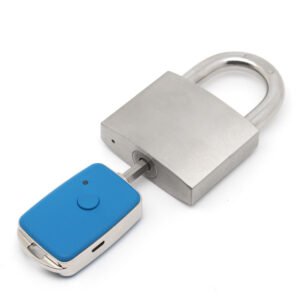
- Data Verification: The temporary power wakes up the lock’s internal microchip and security processor. The key and lock trade encrypted digital ID codes.
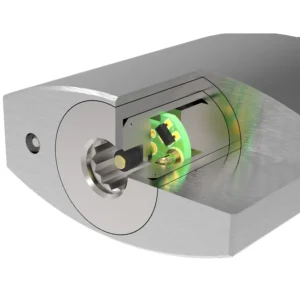
- Access Control: If the security code matches authorization rules, the key sends an open command.
- Mechanical Release: The induced power drives a tiny internal motor or magnetic coil to move the locking pins or dogs, letting you pull or turn the shackle open.
- Audit Logging: The event time and lock ID are saved back onto the electronic key’s memory for tracking later.
We have multiple categories of passive locks. Padlock, cabinet lock, cam lock, Intelligent manhole cover.
Suitable for transportation scenarios such as equipment rooms, important facilities, water conservancy and wind power plants, railways, land transportation, aviation, etc